Unsung Heroes of South Mississippi
The shift started like any other. School zones. Traffic stops—complaints about noise, parking, and suspicious activity. Then the 911 call came in about a 3-day-old baby who had stopped breathing.
Ocean Springs Police Department Lead Dispatcher Chasity McLendon immediately began coordinating the response—police officers, firefighters, and emergency medical personnel racing toward the scene. At the same time, she worked the call from behind a headset.
“The baby had turned blue,” McLendon said. Patrol officers arrived first and immediately began CPR before rushing the infant to the hospital in a patrol vehicle while other officers blocked intersections along the way.
Days later, McLendon learned the baby survived. “That was pretty neat,” she said quietly.
McLendon has worked in dispatching for nearly 16 years and said the work becomes impossible to walk away from once it gets into your system. “It literally gets in your blood,” she said.
She describes dispatchers as the unseen link holding emergencies together in real time—coordinating officers, firefighters, and medical responders while gathering critical information from frightened callers.
“Fridays and Saturday nights can be completely hectic,” she said with a laugh. “You never really know what kind of day it’s going to be.”
For flight nurse Lauren Irey, unpredictability is simply part of the job. As part of Mississippi Air Rescue 5 in Gulfport, Irey responds to emergencies across South Mississippi, often landing helicopters in places most people would never expect.
“Could be on the highway, in somebody’s backyard—anywhere really,” she said. “If we can land the helicopter there, we’re going in.”
Sometimes crews cannot land directly at the scene and must improvise. “We’ve had to throw all of our stuff in the back of a truck and go into the woods to help somebody,” she said.
But some calls stay with responders long after the shift ends. “Pediatrics are terrible,” Irey said solemnly. “Because you’ve got not only the child, you’ve got the family. It’s the worst day in that person’s life. Those are the ones that stick out.”
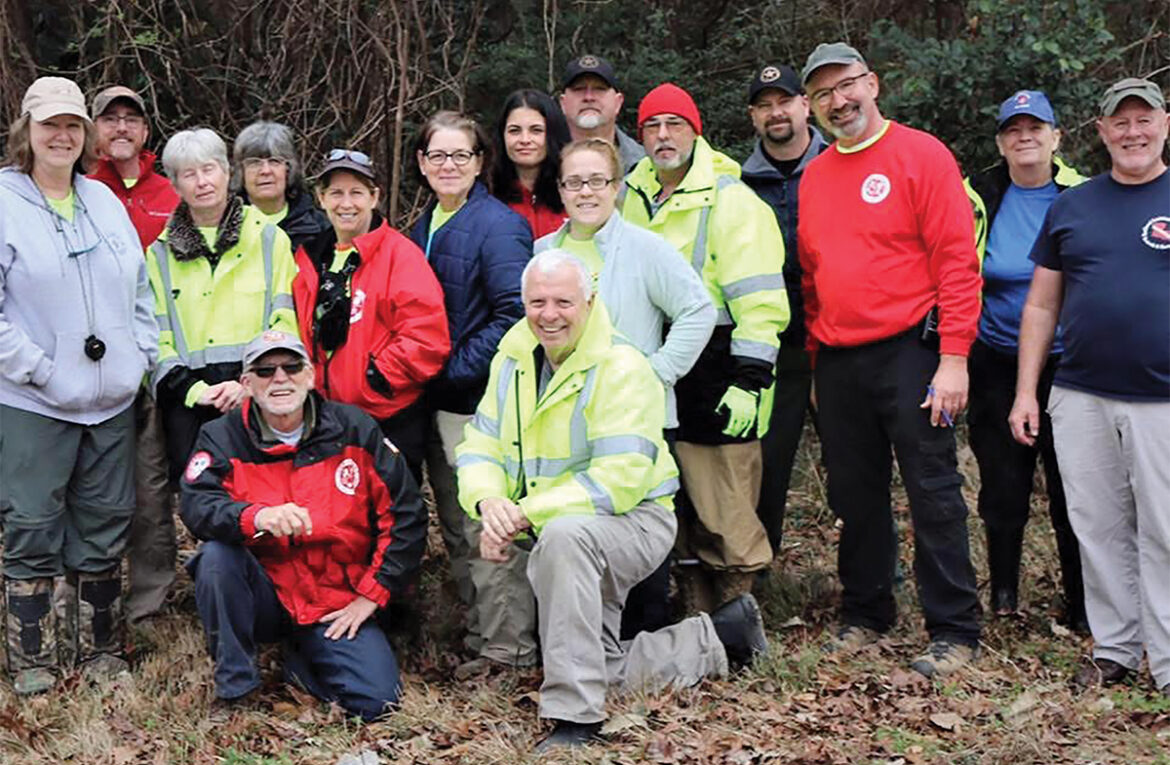
That same commitment to helping others often extends into volunteer organizations working quietly across the Coast. Carlos Redmon with Gulf Coast Search and Rescue said the volunteer organization exists to provide trained search dogs, handlers, and support resources to law enforcement and emergency agencies during major searches.
“We supply our resources, so they don’t have to deplete their resources,” Redmon explained.
Many volunteers come from backgrounds in EMS, firefighting, and law enforcement, and Redmon himself has spent decades working in emergency response and search-and-rescue operations.
When hurricanes hit, hikers disappear or vulnerable adults wander away from home, search-and-rescue volunteers are often among the people answering the call—stepping into dangerous, unpredictable situations to help families find hope in moments filled with fear and uncertainty.
Unlike traditional first responders, many search-and-rescue volunteers respond while balancing regular jobs, families, and responsibilities of their own. Yet they continue showing up, often working long hours in difficult terrain with little recognition.
After the emergency calls are answered and the flashing lights disappear, another group of responders quietly steps in to help families navigate what happens next.
Much of Denee Wilkerson’s work happens far away from emergency scenes or public attention. As an abuse and neglect intake officer with Harrison County Youth Court, Wilkerson spends her days helping families navigate addiction, court systems, and the difficult process of keeping children safe while working toward reunification whenever possible.
For the past eight years, much of her work has centered around the county’s Family Intervention Program, which helps parents struggling with substance abuse receive treatment and support. She said the work often involves helping families through some of the most difficult periods of their lives while still focusing on progress and stability rather than punishment.
“We really praise them and talk about all the things that they’re doing well,” she said. “We try not to harp on the things that they do wrong.”
Wilkerson recalled one mother who had previously lost custody of her children while battling addiction. After entering the program with her partner, both parents committed themselves to treatment and rebuilding stability for their family.
“They have done so well in this program, and they are clean still to this day,” Wilkerson said. “She has both of her kids in her home. They’re living as a family together, and she’s substance-free and they’re doing well.”
For many behind-the-scenes responders, the emotional weight of the work does not end when the shift is over. Therapist Bailey Heuser believes some of the most overlooked first responders may be the people working behind correctional facility walls. “They have the highest rates of PTSD across the board and suicides,” she said.
Heuser said correctional officers are the first responders to overdoses, suicide attempts, violence, and medical emergencies in settings that most people seldom consider or even realize exist.
She added one of the most important things she tells struggling first responders and military members is that trauma can distort how they view themselves. “You really are not as messed up as you think,” she said. “Moral injury, trauma, and complex trauma can really distort the sense of self and make you think, ‘I’m extra messed up,’ but you’re not.”