The Cultural Tapestry of South Mississippi
The Gulf Coast has never really been just one thing.
It’s not entirely Southern. Not fully beach town. Not purely seafood village, military community, or tourist destination. It’s all of those things at once—layered together over generations like a family recipe nobody can quite duplicate anywhere else. And that may be the Coast’s greatest strength.
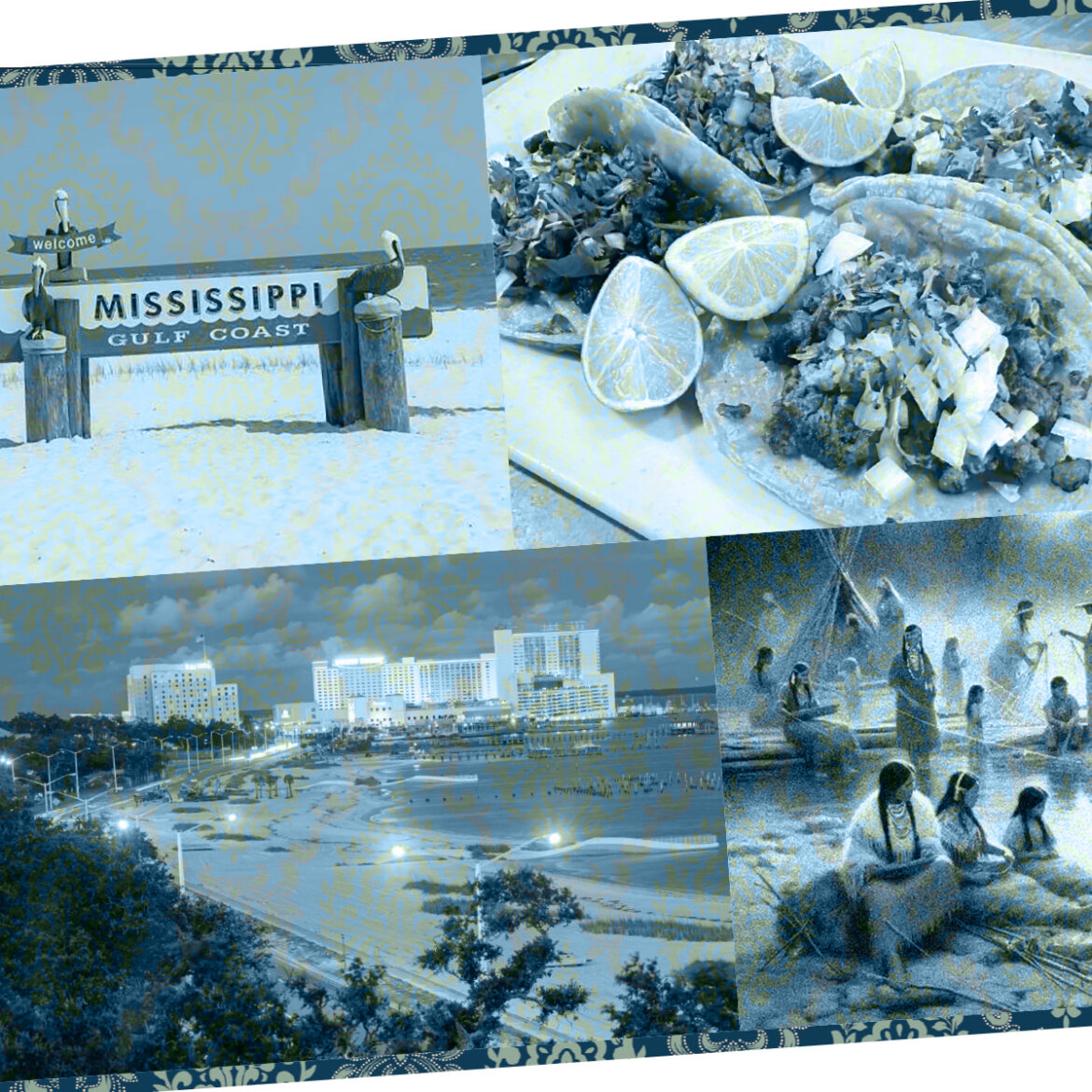
Long before casino lights reflected across the water and sightseer traffic filled Beach Boulevard, the Coast was already becoming a cultural crossroads. Native tribes lived along these waters first. Then came French settlers, followed by Spanish and British influence. Over time, immigrants and newcomers arrived chasing opportunity, rebuilding after storms, or simply falling in love with life near the Gulf. What they created together became unmistakably South Mississippi.
Family seafood businesses carry Croatian surnames tied to generations of oyster harvesting and shrimping. Vietnamese fishermen helped revitalize the seafood industry after arriving on the Coast decades ago, bringing traditions and techniques that became woven into the local economy. Cajun flavors drifted in from Louisiana kitchens. Greek, Lebanese, and Italian families helped shape Coast restaurants, businesses, and communities. Military families from around the country still arrive through Keesler Air Force Base, adding new traditions and perspectives every year. The result is a Coast culture that feels both deeply rooted and constantly evolving.
The Coast might be one of the few places where gumbo recipes spark family feuds while pho restaurants thrive a few miles from century-old seafood markets. Church festivals serve food from recipes handed down through multiple countries and generations. Boiled shrimp, pho, king cake, tamales, baklava, po’boys, and fresh oysters all somehow belong at the same table. Around here, diversity often looks less like a buzzword and more like a Saturday afternoon gathering where everyone brought a dish.
But the story of the Coast isn’t just about food—though the food certainly deserves its own chapter. It’s also about resilience.
Hurricanes have battered the Coast for centuries, yet the people here continue rebuilding together. After storms, neighbors help neighbors regardless of where their grandparents came from or what language was spoken at their dinner table growing up. The Coast has always depended on hardworking people willing to roll up their sleeves, rebuild docks, reopen businesses, and support one another through difficult seasons. That shared resilience became part of the culture itself.
The seafood industry especially helped shape that identity. For generations, shrimp boats heading into the Gulf carried workers from different backgrounds united by the same demanding work and unpredictable waters. The industry became one of the great equalizers of coastal life—a place where perseverance mattered more than where you started.
New families arrive every year. Retirees settle near the water. Military transfers become permanent residents after discovering they never want to leave. Young entrepreneurs open restaurants blending cultures and flavors in entirely new ways. Festivals celebrate traditions both old and newly arrived.
South Mississippi has never asked people to become exactly the same. Instead, it has allowed generations of families to add their own thread to an already colorful tapestry. The result is something richer than any single influence could have created alone.
The Coast was built by fishermen and military families, immigrants and entrepreneurs, artists and shipbuilders, teachers and storm survivors. It was built in kitchens, churches, shipyards, and small businesses. It was built through long summers, difficult hurricanes, and countless second chances.
Most of all, it was built by many hands. And that’s exactly what makes the Coast so strong.