August is a wonderful time to plant irises. The iris is special as it symbolizes the Greek Goddess of the rainbow, and it comes in all those marvelous colors! Irises represent the ideas of wisdom, faith, and hope.
There are more than 300 species of these lovely perennials. Irises are very diverse. Since the height of an iris varies, they can be planted in rock gardens, in the front, middle, or back of a garden, or as a border!
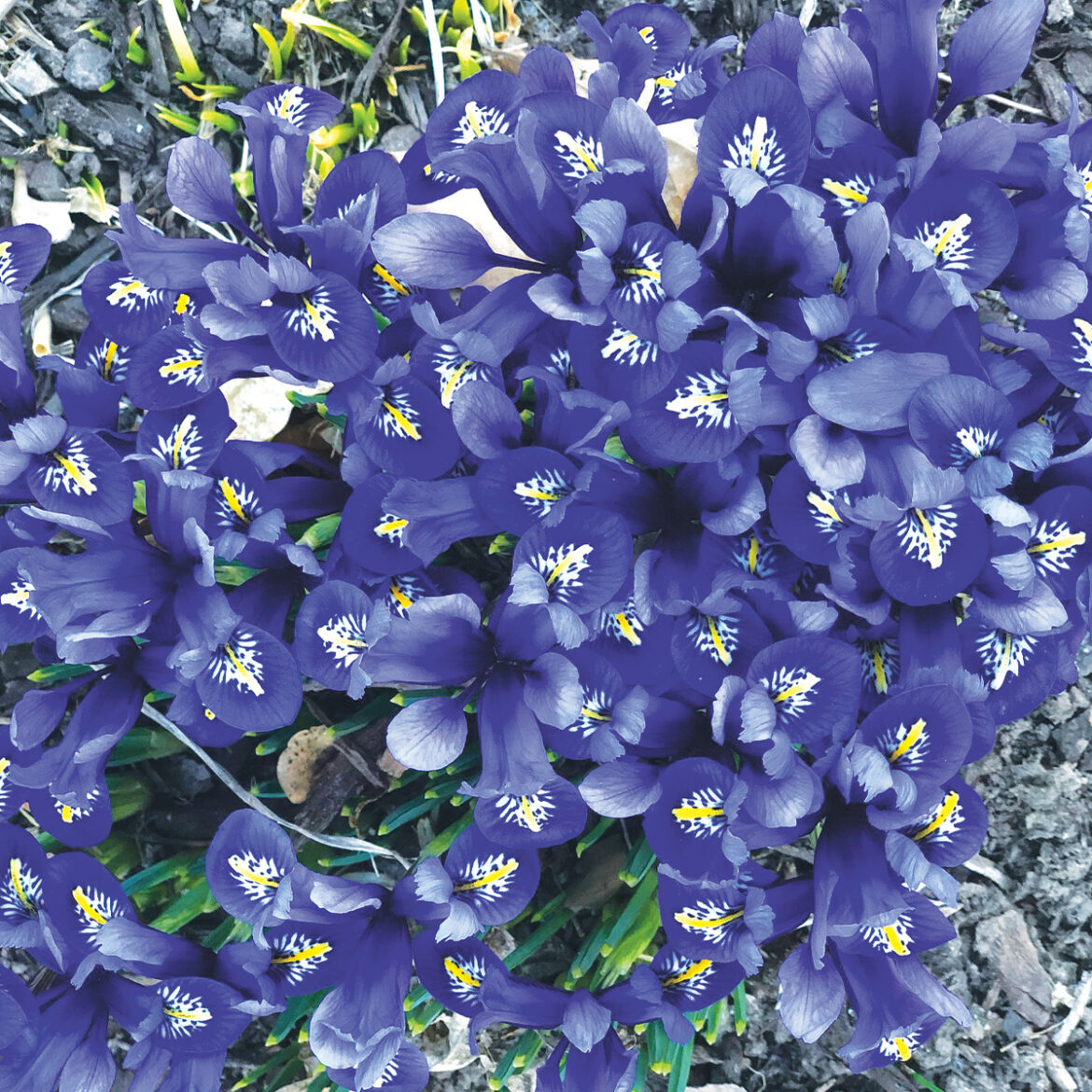
The American Iris Society recognizes three types of irises: Beardless, Bearded, and Aril. The Beardless Iris has a blaze of the color at the throat of the iris. Siberian and Japanese Irises are beardless types.
The Bearded Iris is beloved for its large, showy, fragrant flowers. It has six petals and a frilly beard in the center that leads pollinators to the pollen-lined spot. The most popular irises are the bearded ones.
Aril irises are an exotic, wild bearded iris species native to the arid deserts and mountains of the Middle East. They require dry summers and struggle with moisture; too much water can cause them rot.
When to Plant
Irises are generally planted in the fall but may be planted in August, September, and October depending on your climate. Plant most irises late summer to early fall when night time temps remain between 40 and 50 degrees or above. This gives them plenty of time to get established before the coming winter.
The fall usually brings rain and roots will grow well as the weather cools. If you don’t have early fall rain, be sure to keep your irises watered so they get a good start. The new root growth is needed to anchor the plants before winter. Plant your irises at least four weeks before your first hard freeze or frost.
Planting
For starters, most irises prefer full sun, which means at least six hours of direct sun per day. Some shade is okay with most varieties especially during the heat of summer. Irises need well-drained soil to grow properly. Over watering of irises is a common mistake.
Plant your rhizomes just barely below the surface of the ground. Rhizomes are horizontal underground stems that grow horizontally, sending out roots and shoots from nodes along their length.
Irises should be planted so the tops of the rhizomes are visible and the roots are spread out facing downwards in the soil. Try not to plant the Irises too deeply, and be sure and cover rhizomes with up to one inch of soil if the temps are very hot. Tamp the soil down firmly to anchor the rhizomes until new roots begin to grow, and water well. Continue watering until the first good rain.
New growth may be noticeable within two to three weeks and begins as a new center leaf in the fan emerges. Depending upon the maturity of the rhizome and the geographical location, there may or may not be blooms the first spring.
Note: Planting rhizomes 12 to 24 inches apart as close planting results in faster clump formation, but this will make dividing clumps a necessity in two to three years. It is extremely important to keep your iris beds free of weeds and fallen leaves so the rhizomes may bask in the sun!
When irises do become crowded, bloom will decline. When thinning out irises, a good practice is to remove the entire clump, replenish the soil and replant some of the rhizomes.
Where to Plant
Most irises need a sunny location for best performance and bloom. If plants get less than a half-day of sun they may not bloom well. Louisiana irises and several of the beardless species will grow in standing water year-round in the south but will also do well in the ground as long as they get enough water and don’t dry out.
How to Plant
- Plant in a sunny location.
- Ensure it has well-draining soil.
- Do not layer the top of the soil with mulch (in most zones).
- Only water when the top two inches of soil are dry.
- Give low-nitrogen fertilizer in the spring to encourage bloom.
Fertilization
The soil type for your area will determine your fertilizer needs. For optimum growth an application of a balanced fertilizer in the spring is recommended when the plants are a few inches high. Always check with your local nursery or garden center for the right amount of fertilizer for the right iris type.
General Garden Care
Remember to keep your iris beds free of weeds for optimum growth. After bloom is finished, cut off the bloom stalks before any seedpods made by bees develop as seeds from these would contaminate your named cultivars. Irises can grow for several years in the same location if fed on a regular basis. Please note that irises are toxic to dogs and cats.
Widely-Grown Irises:
- Abiqua Falls
- Again, and Again
- American Classic
- Beatnick
- Big Blue Eyes
- Celebration Song
- Dusky Challenger
- Japanese
- Jesse’s Song
- Louisiana
- Queen’s Circle
- Siberian
- That’s All Folks
- Thorn bird
Happy Gardening!
Gaye Winter, Ph.D., teaches English at Mississippi Gulf Coast Community College and is currently serving as Historian of the Biloxi Garden Club. Reach her at gaye.winter@mgccc.edu.