
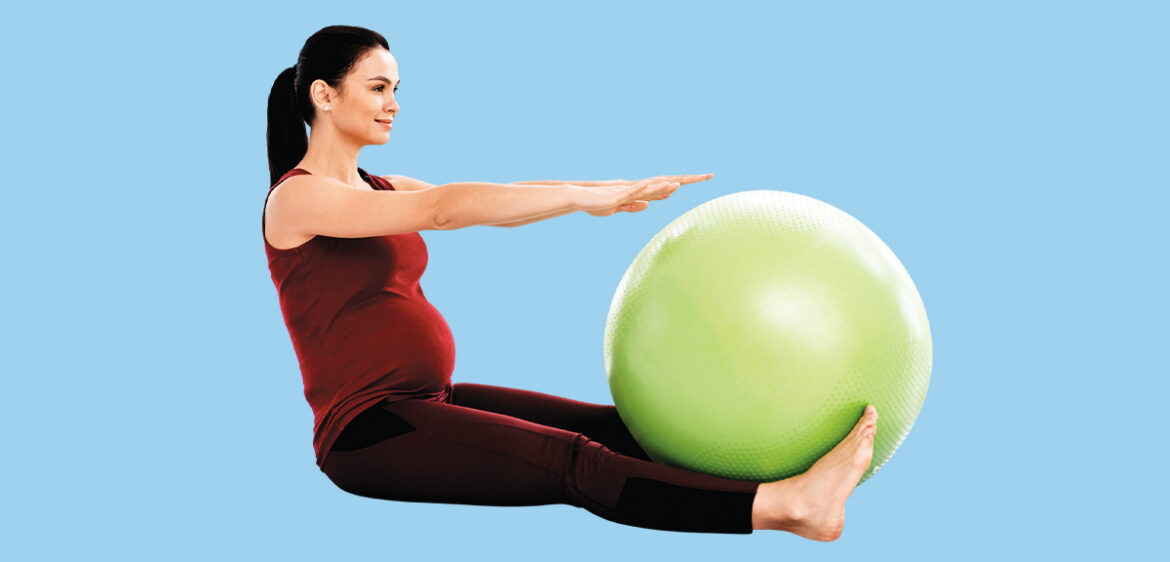
Pilates is a low-impact, effective way to build a strong, stable core and strengthen trunk muscles for overall body stability. As a pregnancy progresses, moms might wonder if Pilates is still safe. With the right modifications and doctor’s guidance, Pilates can be practiced safely and effectively throughout pregnancy.
The principles that govern Pilates are: control, flow, concentration, precision, breathing, and centering. People who are pregnant can modify Pilates to accommodate pregnancy, using a mat or lightweight equipment for different movements and postures.
Whether you use a mat or specialized equipment, Pilates techniques can be tailored to your pregnancy and unique needs. Prenatal Pilates helps you improve posture, mobility, flexibility, and muscle tone while reducing stress. It engages your whole body, especially your core, obliques, abdominals, and pelvic floor—crucial for a healthy pregnancy and delivery.
Although research is limited, Pilates’ gentle, low-impact movements are generally safe for you during pregnancy. Injuries are rare. Practice Pilates under the supervision of an instructor experienced in prenatal modifications. If you already practice, let your trainer know about your pregnancy so they can adjust your routine.
Avoid overexertion and excessive stretching. After 12 weeks, avoid exercises on your back. Your instructor can help you adapt as your pregnancy progresses. Don’t do hot pilates or let your body temperature rise too much. After 12 weeks, avoid lying on your back to keep blood flow to your baby safe. You can do Pilates in flexible positions like sitting or lying on your side, which makes it popular during pregnancy.
Listen to your body—avoid exhaustion and overstretching. If you have a medical condition or develop complications, seek advice from your doctor. Don’t do inversion exercises (upside-down moves), which can be risky during your second and third trimesters and postpartum.
A 2018 study found Pilates is a healthy way for you to reduce pregnancy pain, especially in your third trimester. Overall, pilates is a safe, efficient exercise for you during and after pregnancy, especially with guidance from a specialized instructor. If you’re new to Pilates and pregnant, check with your doctor to ensure it’s safe for you, especially if you have any preexisting conditions.